What Makes Some Reservoir Engineers Stand Out in Well Placement Decisions
1 minute read time
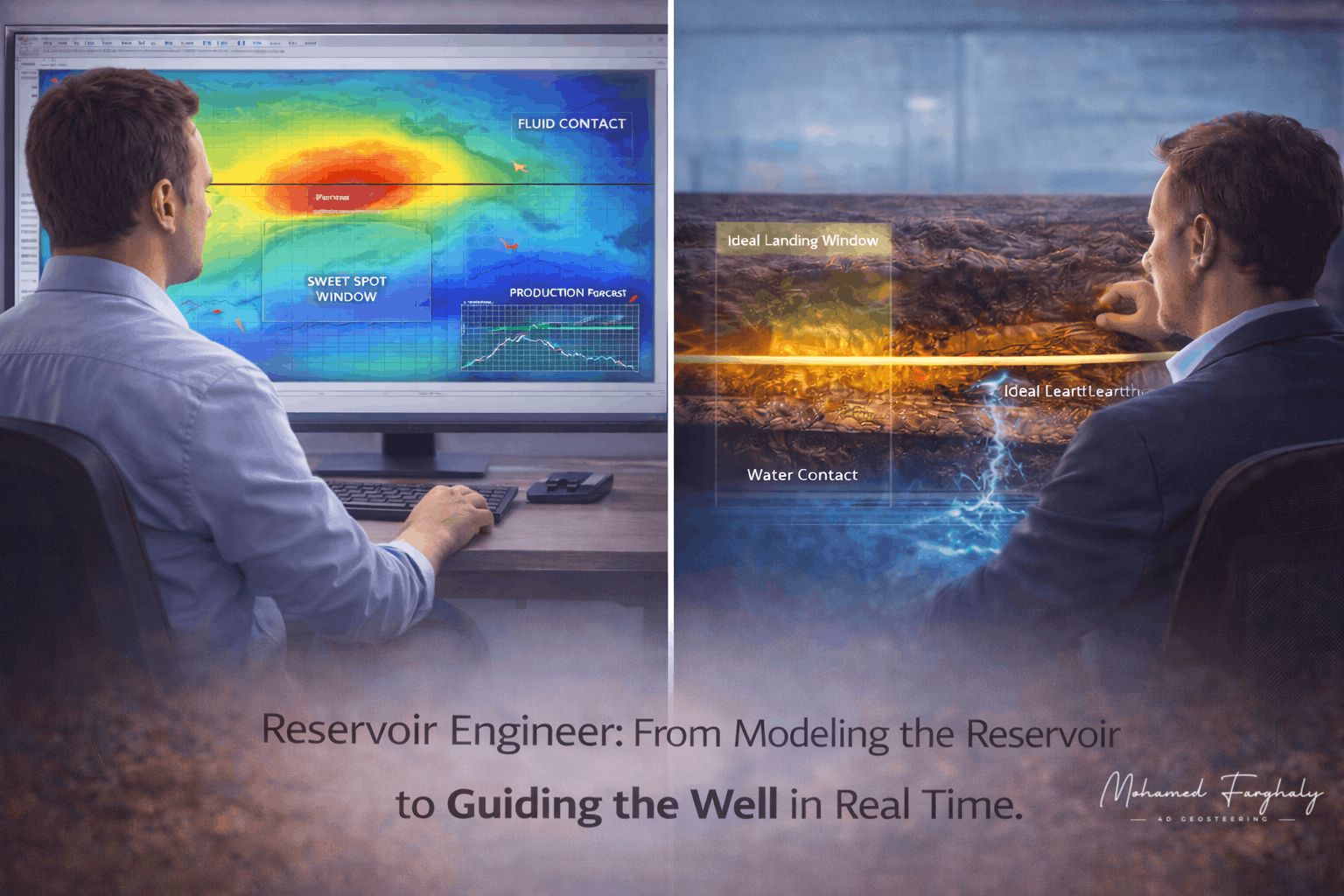
In a field development meeting, the dynamic model predicted strong performance for the new horizontal well. The spacing was optimized, pressure behavior simulated, and recovery factor estimated. But a few months later, water arrived earlier than expected. The post-analysis showed something simple: the well had landed just a few feet lower than planned.

That small vertical difference changed the outcome.

If you are a reservoir engineer, you understand net-to-gross, sweet spot distribution, porosity, permeability, saturation, and pressure behavior. You build dynamic models that guide development strategy. But those models assume one critical thing: that the well is placed exactly where the model expects.

In horizontal wells, a few feet below the ideal window can accelerate water breakthrough. Landing outside the best facies can reduce EUR. Well placement is not only a drilling detail. It directly affects production and long-term recovery.

When reservoir engineers understand geosteering fundamentals, they move from analyzing results after drilling to influencing placement during drilling. Real-time structural interpretation, dip awareness, and target window management help align the well path with model expectations.

Modern development demands integration.
The gap between model and reality often starts while the bit is drilling. Reservoir engineers who understand how trajectory decisions affect reservoir exposure bring a stronger voice to the team.
If you want to reduce uncertainty between your model and field performance, start learning how real-time well placement works
Follow my Linkedin profile for practical insights on integrated Geosteering and Reservoir-Driven drilling decisions.