What Makes Some Petrophysicists Stand Out in Real-Time Well Placement
1 minute read time
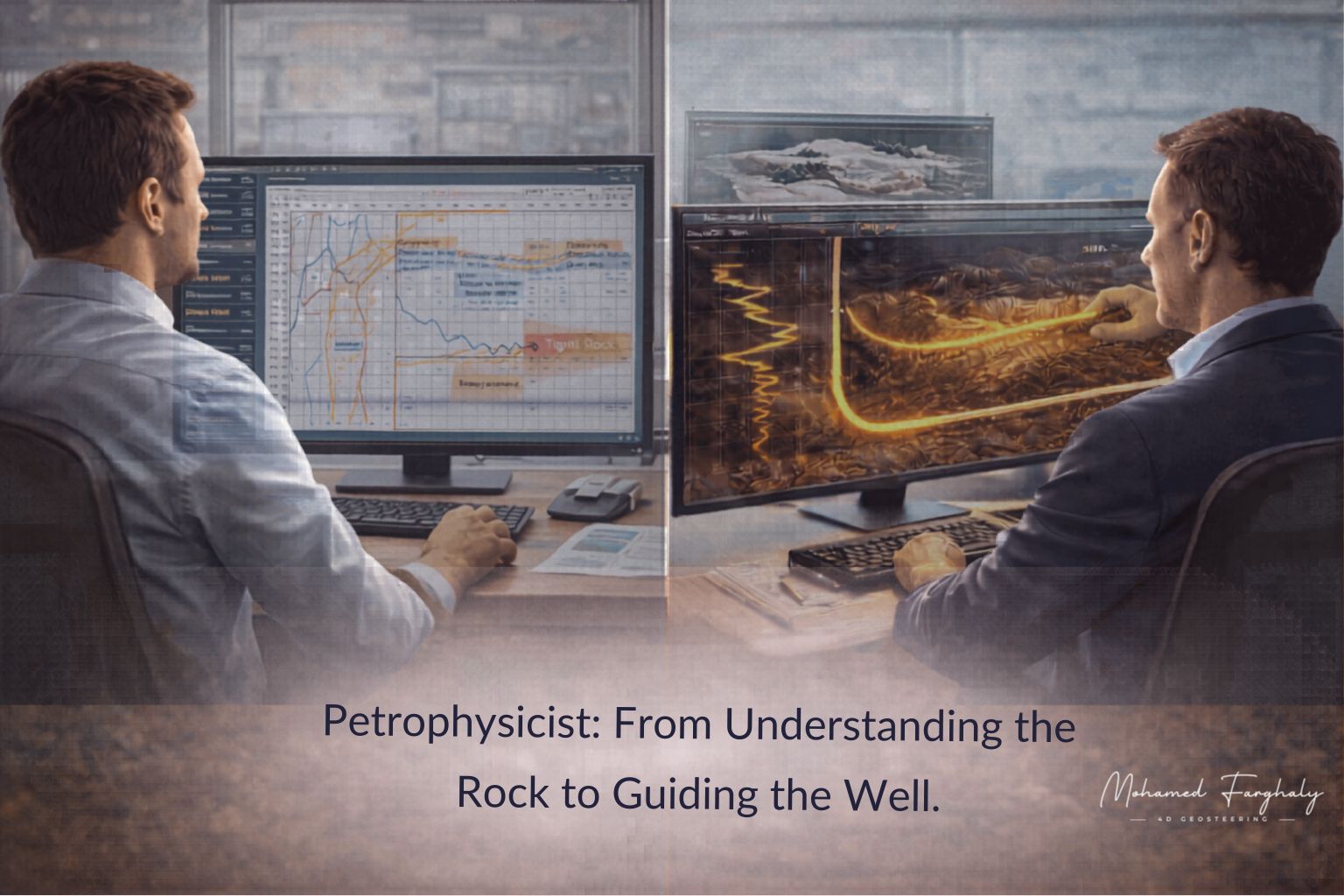
During a horizontal landing, the logs looked clean, but the real question was deeper: was this interval truly the best rock, or just low Gamma Ray with poor porosity? The answer did not come from the curve alone. It came from understanding rock quality. That is where the petrophysicist becomes critical.

If you are a petrophysicist, you already understand porosity, permeability trends, fluid saturation, shale volume, and rock typing. You know how Density and Neutron separate clean sand from shaly sand, how resistivity reflects fluid content, and how log response changes with facies. You understand what makes rock productive, not just how it looks on screen.

Geosteering needs that insight. Staying “in zone” is not enough if the zone has poor reservoir quality. When you connect petrophysical interpretation with structural position and trajectory decisions, you move from evaluating wells after drilling to influencing them while drilling.

In modern developments, small vertical differences can place the well in higher or lower quality rock. That directly affects production performance. Petrophysicists who understand real-time steering logic can help define better landing strategies and protect reservoir value.

You already understand the rock. The next step is understanding how the well moves inside it.
If you want to connect petrophysics with real-time well placement.
Follow my Linkedin profile for practical insights on integrated geosteering and reservoir-focused drilling decisions.