What Makes Some Directional Drillers Rise Faster in Geosteering
1 minute read time
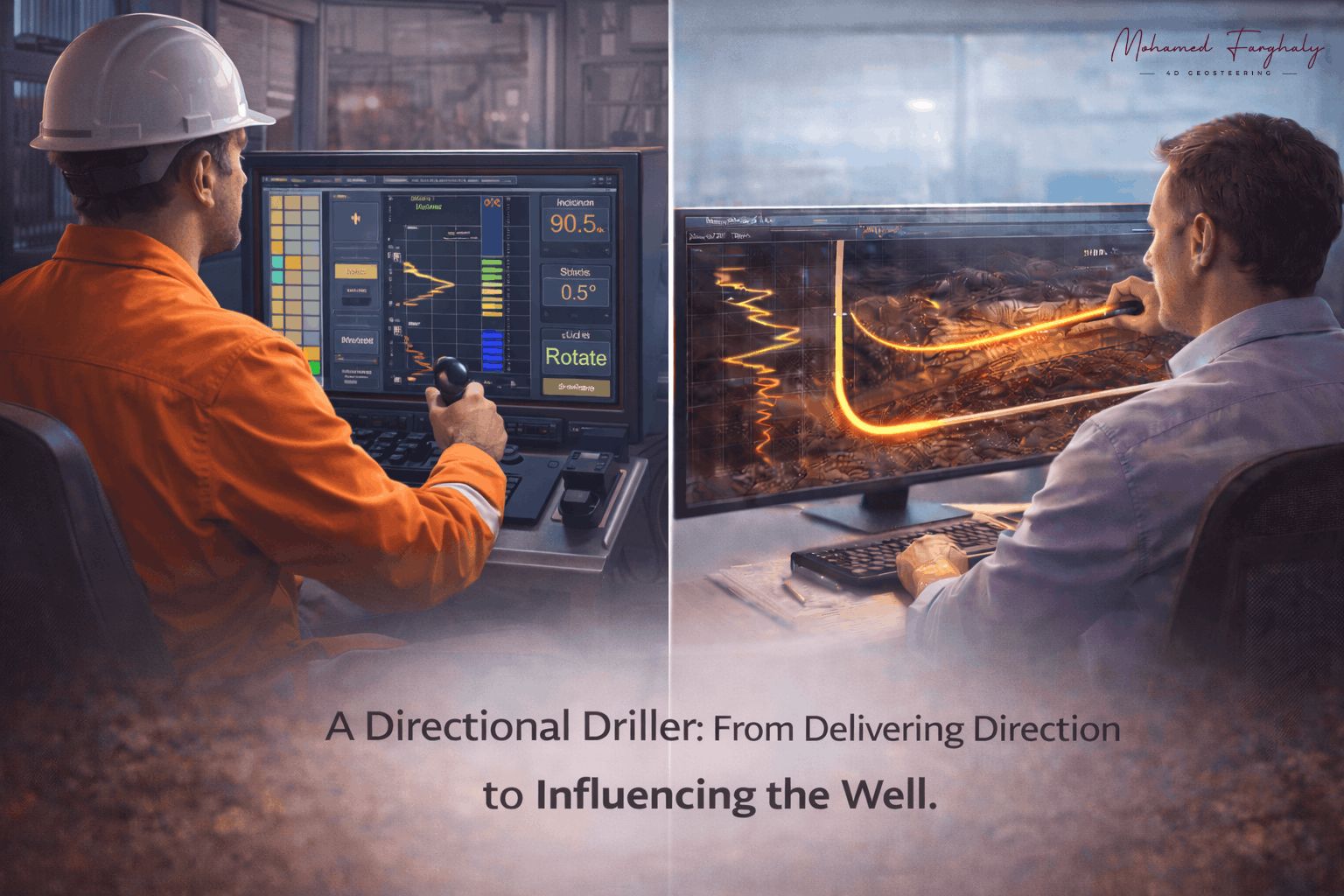
On a long horizontal section, the instruction came: “Build 0.5°.” The adjustment looked small on screen, but everyone knew it would shift the well several feet vertically over the next few hundred feet. That control belongs to the directional driller.

If you are a directional driller, you understand build rates, toolface control, slide versus rotate strategy, BHA behavior, and mechanical limits better than most. You know how difficult it can be to achieve a precise correction in certain formations. You turn steering decisions into physical movement.

Geosteering becomes powerful when you understand not only how to build, but why you are building. When you understand dip direction, reservoir thickness, and structural trends, you anticipate adjustments instead of simply executing them. You move from following instructions to contributing to placement strategy.

Today’s horizontal wells leave little room for error. Operators value professionals who understand both drilling mechanics and subsurface structure. That combination is rare, and rare skills stand out.
If you want to move from controlling direction to influencing destination, start learning the structural side of well placement.
Follow my Linkedin profile for practical insights on integrated geosteering and modern drilling collaboration.