What Makes Some Petroleum Engineers Stand Out in Modern Well Placement
1 minute read time
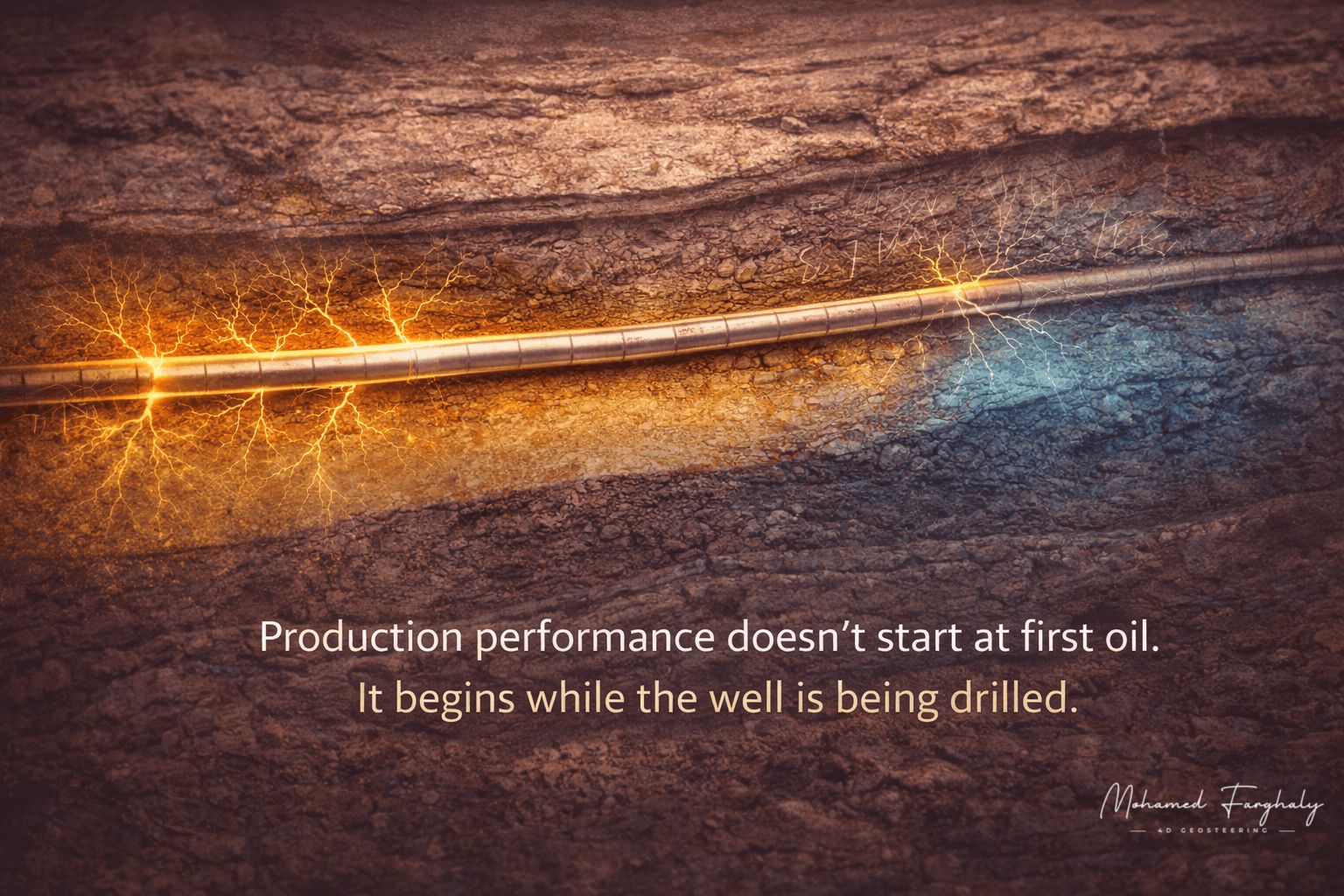
During a planning meeting for a horizontal well, the discussion focused on torque and drag, BHA selection, hydraulics, and expected ROP. Everything looked optimized. Then someone asked a simple question: are we sure this landing depth gives us the best reservoir contact? The room went quiet. That is where drilling engineering meets geosteering.

If you are a petroleum engineer, you already manage risk, cost, and mechanical limits every day. You understand build rate feasibility, wellbore stability, tool capability, and operational trade-offs. When someone suggests a sharp inclination change, you immediately know whether it is realistic. When an aggressive landing is proposed, you see the mechanical consequences before others do.

Geosteering lives at that intersection between subsurface goals and mechanical reality. Every steering adjustment affects sliding percentage, tortuosity, completion efficiency, and eventually production performance. Well placement is not separate from drilling; it directly influences well economics.

When you combine your mechanical understanding with structural dip awareness, reservoir window limits, and boundary prediction, you move beyond execution. You start influencing where the well should go, not only how it gets there.
Modern developments demand precise placement with controlled mechanics. Drilling engineers who understand both sides of that equation become key decision-makers, not just executors.
If you want to expand your influence from drilling performance to reservoir value, start building your geosteering understanding
Follow my Linkedin profile for practical insights on integrated well placement and modern drilling strategy.