Why Reservoir Engineers Have a Strategic Advantage in Geosteering
1 minute read time
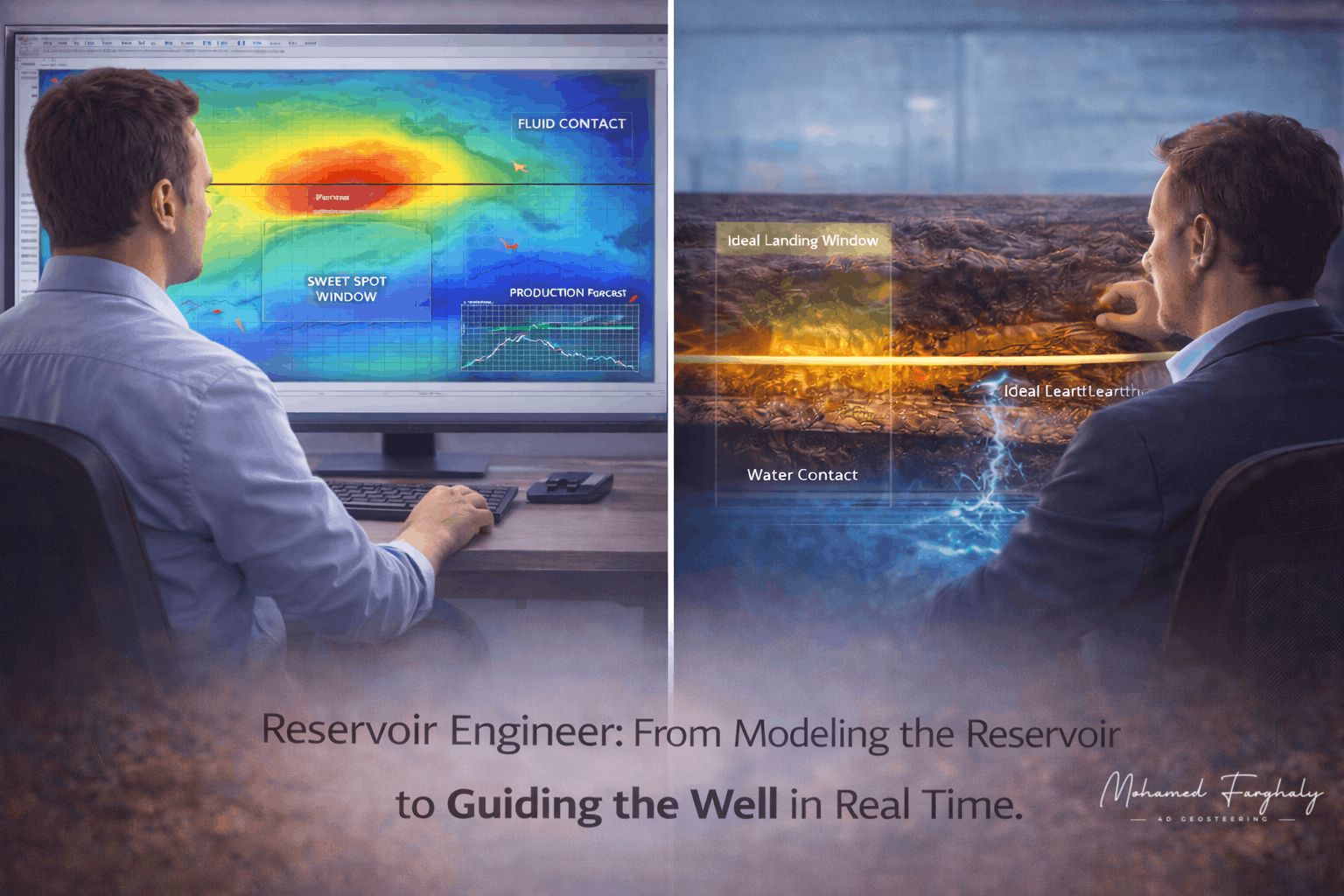
During a field review, the lateral looked perfect on paper. It stayed inside the mapped reservoir and reached the planned length. A few months later, production showed early water breakthrough. The post-analysis revealed something simple: the well had landed slightly lower than the optimal window predicted by the dynamic model.
That small vertical difference changed long-term value.

Geosteering is not only about staying inside rock. It is about staying inside productive rock. Reservoir engineering defines what that target really means. Is the sweet spot the highest porosity, the best permeability, the highest hydrocarbon saturation, or the safest distance from fluid contacts? Those answers come from reservoir analysis, not from logs alone.

In thin oil rims, a few feet too low can accelerate water production. A few feet too high can trigger gas coning. Landing outside a high-permeability streak can reduce productivity. Reservoir engineering quantifies those risks, and geosteering operates within those limits while drilling.

Modern development depends on integration. Dynamic models are updated with real-time data, and placement decisions must align with drainage strategy and completion design. Reservoir engineers who understand geosteering logic can influence landing depth and target windows before production begins.

The gap between forecast and reality often starts during drilling. When reservoir engineering and geosteering work together, that gap becomes smaller.

In your view, which reservoir parameter matters most for steering decisions: net pay thickness, permeability distribution, fluid contacts, or pressure regime?
If you want to reduce uncertainty between your model and field performance, start learning how real-time well placement works
Follow my Linkedin profile for practical insights on integrated Geosteering and Reservoir-Driven drilling decisions.